By
Gloria Abutu
Sexual and Gender Based Violence (SGBV) in Adamawa State, like in many parts of Nigeria, has evolved over decades within deeply rooted cultural, social, and economic realities.
A History Hidden in Silence
While violence against women, girls, and other vulnerable groups has existed for generations, conversations around it were often silenced by stigma, fear, and societal expectations that treated such issues as private family matters rather than violations of human rights.
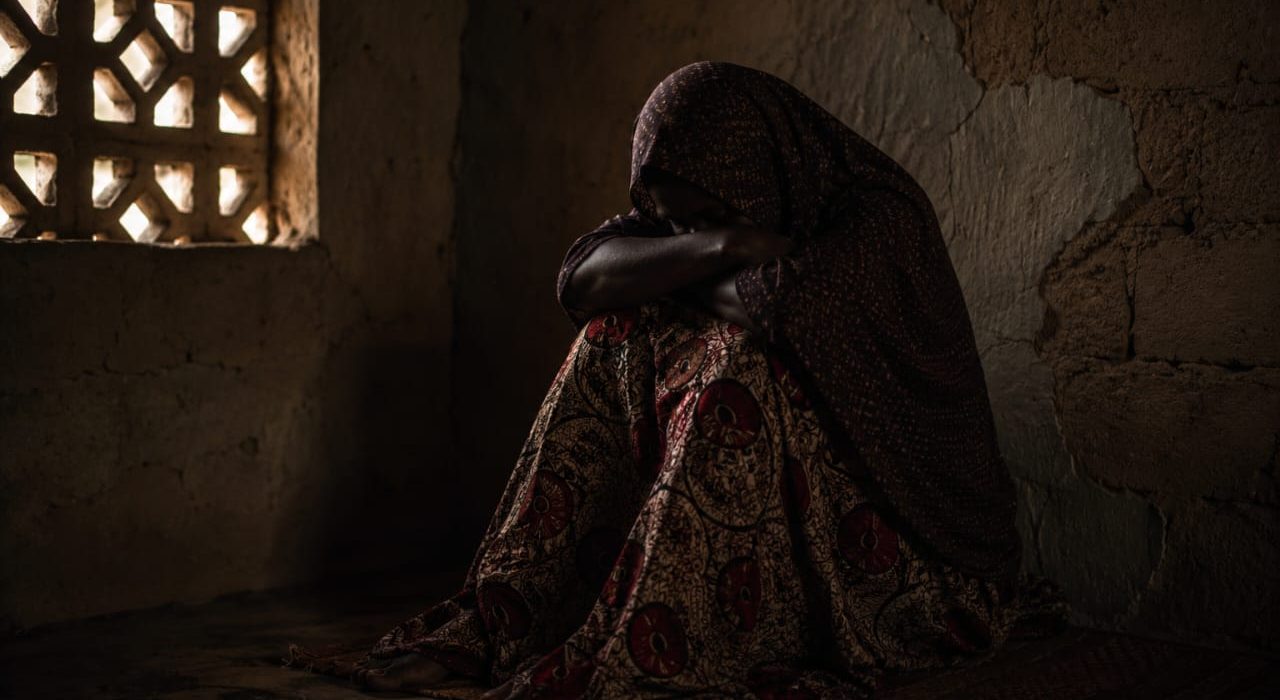
For many years, survivors rarely spoke publicly about abuse. Cases of domestic violence, sexual assault, forced marriages, and other forms of gender based violence were often concealed within homes and communities.
Survivors were frequently encouraged to remain silent in order to protect family reputation, preserve marriages, or avoid social discrimination.
Cultural Norms and Changing Narratives

Yakubu Yakubu is the Wakilin Tarihi of Adamawa, regarded as a custodian of the history, culture, and traditions of the people.
He explained that sexual violence has existed for a long time within communities, though many acts were historically normalized and rarely questioned.
“People saw some of these actions as normal cultural practices and not necessarily as crimes,” he says. “In many cases, survivors suffered in silence because there was little awareness and very few avenues to seek justice.”
According to him, a gradual shift began as awareness campaigns, legal reforms, and advocacy by both local and international organizations started challenging long standing beliefs surrounding violence and abuse.
He noted that interventions by development partners and advocacy groups played a major role in reframing public understanding of SGBV, helping communities recognize that violence should not be excused under culture or tradition.
“Today, more people understand that abuse is not normal and should not be tolerated. But there is still a lot of work to be done, especially in rural communities where silence and stigma remain strong,” Yakubu added.
Beyond cultural silence, economic hardship and conflict have also contributed to the problem.
Conflict, Displacement, and Vulnerability
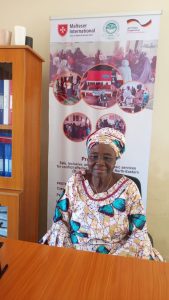
President of the National Council of Women Societies, NCWS, in Adamawa State, Rebecca Kwabe said the insurgency in the North East significantly worsened the vulnerability of women and girls across affected communities.
According to her, displacement, insecurity, poverty, and the collapse of traditional support systems exposed many survivors to exploitation and abuse.
“Conflict situations created conditions where women and girls became more vulnerable,” she explained.
“Many families were displaced from their homes, livelihoods were destroyed, and social protection systems became weaker.”
Kwabe said the growing number of reported cases in recent years may reflect increasing awareness and willingness among survivors to speak out, though she believes many incidents still go unreported.
“Stigma remains a major challenge. Some survivors are afraid of being blamed or rejected by society, while others fear retaliation from perpetrators,” she noted.
She stressed the importance of strengthening support systems for survivors through counseling services, legal assistance, awareness campaigns, and community engagement.
The Push for Justice and Legal Protection
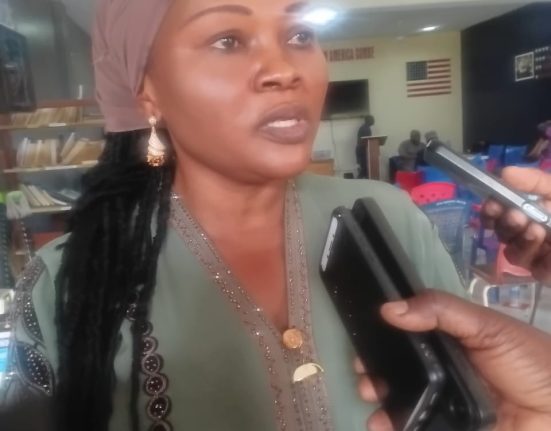
From a legal perspective, Publicity Secretary of the International Federation of Women Lawyers, FIDA in Adamawa State, Barr. Amira Gurumpawo said awareness of rights and legal protections has improved significantly over the years, largely due to the efforts of Civil Society Organizations and advocacy groups.
“More survivors are beginning to understand that they have rights and can seek justice,” she explained.
“Organizations and advocates have continued to educate communities about abuse, consent, and legal protections.”
However, she noted that implementation remains one of the biggest challenges in addressing SGBV in Adamawa State and Nigeria as a whole.
Gurumpawo pointed to the Violence Against Persons Prohibition (VAPP) Law as an important legal framework designed to protect survivors and punish offenders.
“The law provides protection against emotional, physical, sexual, and economic abuse, but enforcement is still weak in many places,” she says. “A lot of people know about the law, yet practical implementation remains limited.”
She called for stronger collaboration among legal institutions, law enforcement agencies, traditional leaders, religious organizations, and civil society groups to ensure offenders are held accountable and survivors receive adequate protection and support.
Breaking the Cycle
In recent years, government agencies, development partners, and community based organizations have intensified awareness campaigns aimed at changing attitudes and encouraging survivors to seek help.
Public sensitization programs in schools, religious centers, markets, and rural communities have increasingly focused on educating people about consent, rights, and the dangers of silence.
Despite these efforts, significant barriers remain. Underreporting, poverty, fear of stigma, cultural pressure, and limited access to justice continue to prevent many survivors from speaking out or pursuing legal action.
Addressing SGBV in Adamawa State requires more than laws and policies. It demands sustained awareness, stronger institutions, survivor centered support systems, and a collective willingness to challenge harmful norms that enable abuse to persist.
The history of Sexual and Gender Based Violence in Adamawa State is therefore not only a story of silence and suffering, but also one of growing awareness, advocacy, and resilience.
As conversations continue to expand and more survivors find the courage to speak, the path toward justice and protection becomes stronger for future generations.