By
Gloria Abutu
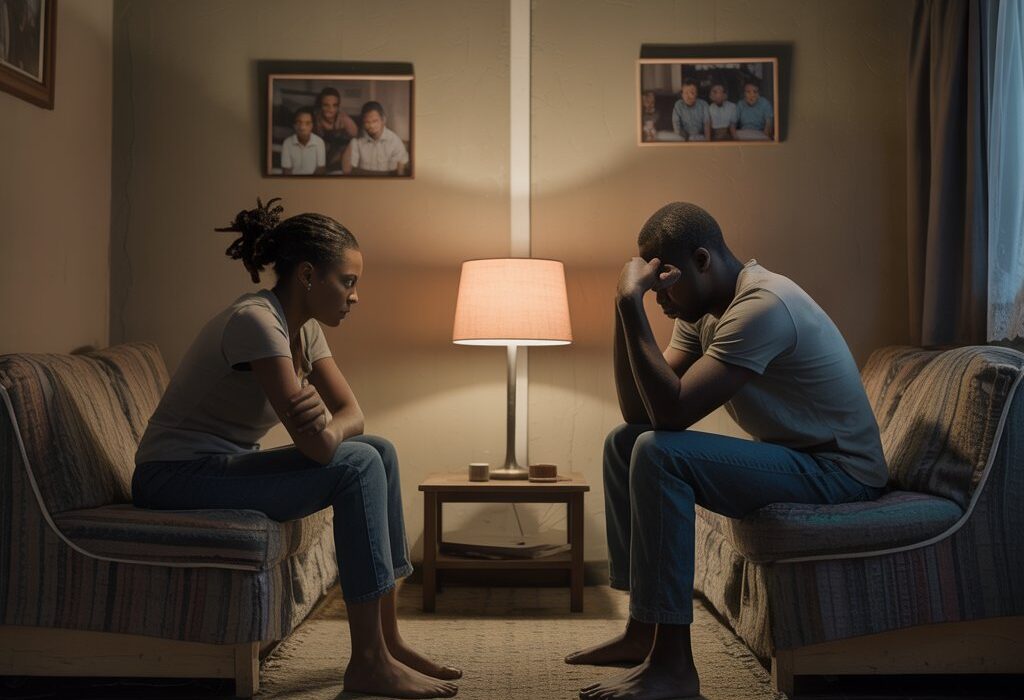
Behind closed doors, the screams are silent, the tears unseen, and the scars invisible. Intimate Partner Violence is not just about bruises or broken bones, it is about fear, control, and emotional captivity that keep survivors trapped in homes that should be safe. While some endure in silence, hoping for change, others face systems that struggle to deliver justice, leaving the cycle of pain unbroken.
A Hidden Reality
Intimate Partner Violence, IPV, refers to any form of physical, emotional, psychological, or sexual abuse within an intimate relationship, including marriage, dating, or courtship.
IPV remains a hidden reality in many homes, affecting both women and men, yet often going unspoken. Survivors grapple not only with physical harm but also fear, emotional attachment, and psychological control, which make it difficult to break free from cycles of pain and silence.
The Scale of the Problem
Intimate Partner Violence is a global crisis affecting both women and men across different societies and cultures, although women are disproportionately impacted. According to the World Health Organization, nearly one in three women worldwide has experienced physical or sexual violence, most often by an intimate partner, with about 27 percent of women aged 15 to 49 affected, making it the most common form of violence against women globally. While comparable global data on men is more limited, studies show that men also experience IPV, particularly emotional and psychological abuse, though such cases are often underreported due to stigma and societal expectations.
In Nigeria, 2024 data from the Nigeria Demographic and Health Survey reports that 23 percent of women aged 15-49 have experienced physical, sexual, or emotional abuse from a current or former partner, with divorced, separated, or widowed women most affected. In Northern Nigeria, including states such as Adamawa, deeply rooted cultural expectations, religious influences, and economic dependence further complicate the issue. Many survivors are encouraged to remain in abusive relationships for the sake of family stability, while limited awareness of legal protections and support services continues to restrict access to justice.
As a result, intimate partner violence remains largely hidden, with many cases never reported or formally addressed.
A Survivor’s Story
For Bilkisu Aliyu (not her real name), 18 years of marriage have been defined by pain and regret. She recounts how her husband abandoned his responsibilities, including caring for their five children, while subjecting her to repeated physical and emotional abuse.
He would often leave home for months without informing her of his whereabouts. “The last time, he stayed away for eight months. Then, without caring about the children or me, he comes back wanting to be intimate. I refuse, because he has neglected us for so long, and that’s when the beatings begin,” she recalls.
Neighbours sometimes intervene. “He usually locks the door and starts beating me. I scream, and sometimes the neighbours have to break down the door to rescue me. Only then can I get away,” she says.
The situation worsened after he married another woman, who does not live with them. Tensions escalated when he decided to sell the house they were living in. Determined not to be left without shelter, she discovered the prospective buyer, rallied support, and raised money to purchase the house herself, ensuring she and her children would have a place to live.
“He was furious when he realized I had bought it. That only made him more abusive,” she recalls, describing this as the turning point in their crisis.
Her attempts to seek help yielded little. Authorities, including the Human Rights Commission and the police, invited him, but he often refused to appear. She has asked for a divorce, but he has refused. With her relatives based in Yobe State, she feels trapped and unable to return home. Many advise her to endure for the sake of the children.
Now she survives by taking on menial jobs, including household chores for others, to provide for her family. Despite her efforts, some of her children have dropped out of school. Her husband refuses responsibility, leaving her to shoulder the burden alone.
Her story reflects a broader reality faced by many survivors.
Why Survivors Stay
Why would a partner choose to inflict pain on someone they once vowed to love and cherish? Psychologist Thomas Saave attributes this to power dynamics, unresolved childhood trauma, harmful social norms, economic stress, and a desire for control.
“Many survivors remain in abusive relationships not because they want to, but because they are psychologically conditioned by fear, dependency, and emotional attachment. Over time, abuse can distort a person’s sense of self-worth, making it difficult for them to see a way out,” he explains. Financial dependence, emotional attachment, and upbringing can make leaving even harder.
The Lasting Impact
The effects of IPV are often long-lasting, ranging from acute stress and anxiety to low self-esteem, depression, post-traumatic stress disorder, and suicidal thoughts.
Saave emphasizes that support must go beyond sympathy. “Survivors of Intimate Partner Violence need proper psychological intervention, including counseling and professional care, to begin healing. They should not be isolated, but should receive care and attention from family and friends.”
Faith and Intervention
Religious beliefs often influence why survivors remain in abusive relationships. Many are counseled to endure abuse out of fear of breaking spiritual teachings or being judged. Cultural and religious expectations, combined with interpretations of sacred texts, can make separation difficult even when safety is at risk.
Sheikh Abdurahman Garba and Pastor Moses Donald stress the sacredness of marriage while cautioning against using faith to justify abuse.
Sheikh Garba notes that marital crises arise partly from declining moral discipline and changing social influences, including technology. He emphasizes understanding spouses’ rights and character before marriage. “The Quran specifically says Allah has created for you, from your own selves, wives so that you have tranquility, and He has made love and care among you, for men of understanding,” he explains. Violations of these principles can lead to misunderstandings and violence, but awareness can prevent escalation. Reconciliation is advised to avoid prolonged crises.
Pastor Donald emphasizes that faith should promote love, respect, and protection, not justify violence. “God instituted marriage for harmony and calls couples to live together peacefully. God hates divorce, but if there is violence that can lead to injury or death, the Bible gives room for separation,” he says, citing 1 Corinthians 7:10-11. He adds that couples may reconcile after emotional and psychological healing. Religious leaders should teach the social and psychological impacts of violence, and separation may be necessary when abuse persists.
Justice and the Law
Legal practitioner Barrister Amira Gurumpawo, who is also the Publicity Secretary of the International Federation of Women Lawyers (FIDA) in Adamawa, explains that Intimate Partner Violence includes economic deprivation, emotional harm, and manipulation. Fear of stigma often traps survivors in abusive relationships.
She adds that the Violence Against Persons Prohibition (VAPP) law provides legal protection for both men and women, prescribing punishment for spouses who abuse emotionally, financially, physically, or in other ways. However, implementation remains weak, limiting access to justice for many.
“Although the VAPP law has been in place for about five years, its practical enforcement is still minimal. Many people know about the law, but it is not applied effectively, leaving survivors vulnerable,” Barrister Gurumpawo explains.
She also calls for stronger collaboration between legal authorities, law enforcement, community leaders, and civil society organizations to ensure survivors are protected, offenders are held accountable, and the culture of impunity is challenged.
Barriers to Reporting
Police Public Relations Officer in Adamawa State, SP Suleiman Yahaya Nguroje, describes IPV as sensitive and difficult to prosecute. Many cases go unreported, especially in rural communities where cultural norms encourage private resolution.
“We encourage people to file a report with the police or write a formal complaint addressed to the Commissioner of Police. Complaints are personally received and directed to trained officers for discreet investigation,” he says.
Even when cases are reported, pressure from family, fear of stigma, or out-of-court settlements can result in withdrawal. Limited evidence, lack of witnesses, and poor documentation further weaken prosecution. Nguroje calls for stronger collaboration between police, community leaders, religious institutions, civil society, and media to encourage reporting and ensure justice.
Breaking the Silence
Beyond physical harm, IPV leaves deep psychological scars that often go unseen. For survivors, the struggle is not only to escape abuse but to overcome fear, emotional ties, and trauma that keep them silent.
Breaking the silence requires more than awareness. It demands a shift in how families, communities, and institutions respond to abuse. Survivors must be believed, supported, and protected, not pressured into silence or forced reconciliation. Communities must challenge harmful norms that excuse abuse, while authorities must ensure laws are enforced and justice is accessible. The cycle of Intimate Partner Violence can only begin to break when survivors feel safe to speak out, and communities and institutions actively stand with them.