By:
Aisha Mohammed
Adamawa Climate change, characterized by changing rainfall patterns, rising temperatures and extreme weather events, is increasingly threatening the health, nutrition and education of children in Adamawa State.
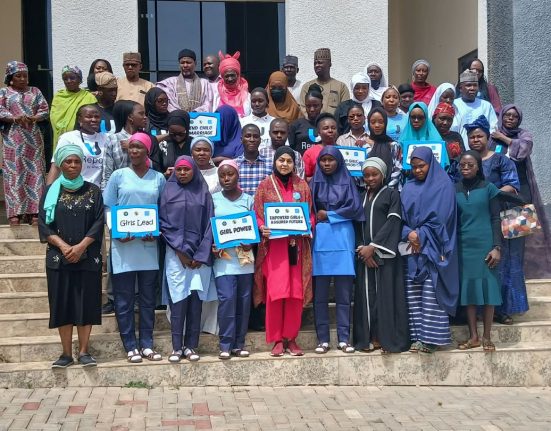
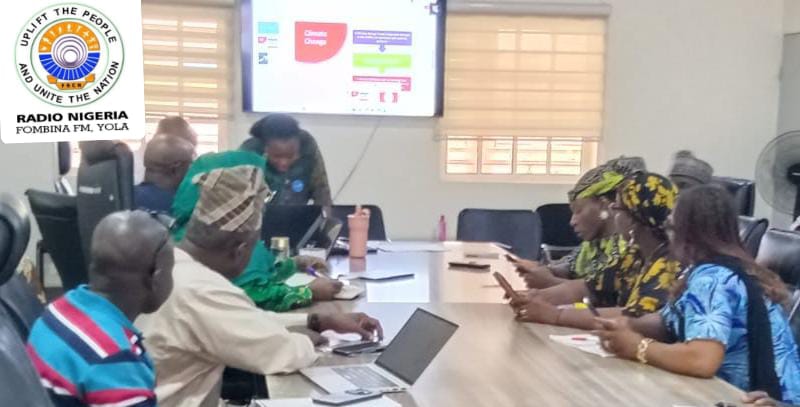
Climate experts made this known during a climate change and WASH engagement organized by the Adamawa State Government with support from UNICEF and the ASWA III Project, funded by the Government of the Netherlands, in Yola.
They called for a shift from responding to floods and droughts after they occurred to prioritizing prevention, adaptation and climate-resilient infrastructure.
The experts warned that children, particularly those from vulnerable and farming-dependent households, are likely to bear the greatest impact of the growing effects of climate change.
Leading a presentation on the need for child-sensitive climate policies and investment, WASH Officer, Bauchi Field Office, Nambam Dawap said climate change affects children’s health, education, nutrition, protection and access to water.
She noted that turning climate resilience lessons into statewide action, with a focus on the gains of the ASWA III Project, would help reduce emissions across sectors and support ambitious action towards fulfilling existing international commitments based on the best available science.
The WASH Officer also reaffirmed UNICEF’s continued support, calling on governments and partners to work urgently towards phasing out fossil fuels and ensuring a just transition to renewable energy and energy efficiency, in line with pathways aimed at limiting global warming to 1.5 degrees Celsius.
In a presentation, Professor of Geography at Modibbo Adama University, Yola, Abel Adebayo identified rising temperatures as another serious threat to children, particularly due to their vulnerability to extreme heat.
He explained that climate change was already altering weather and agricultural patterns in the State, with rising temperatures and increasingly unpredictable rainfall affecting farming activities.
According to the expert, studies conducted in Adamawa indicated that changes in the onset of the planting season, prolonged dry spells and extreme weather events were placing enormous pressure on farming communities and threatening household food security.
Professor Adebayo warned that declining agricultural production could have consequences beyond farmers’ incomes, particularly in households where children depend on crops such as beans and groundnuts as important sources of food and protein.
On his part, the General Manager, Rural Water Supply and Sanitation Agency, RUWASSA, Esly Emmanuel opined that governments and partners must strengthen the climate resilience of key sectors that shape the lives of children.
The RUWASSA Boss said the agency is working to ensure that more Local Government Areas achieve Open Defecation Free status, describing the level of support to the WASH sector as unprecedented.