By
Ya’u Waziri
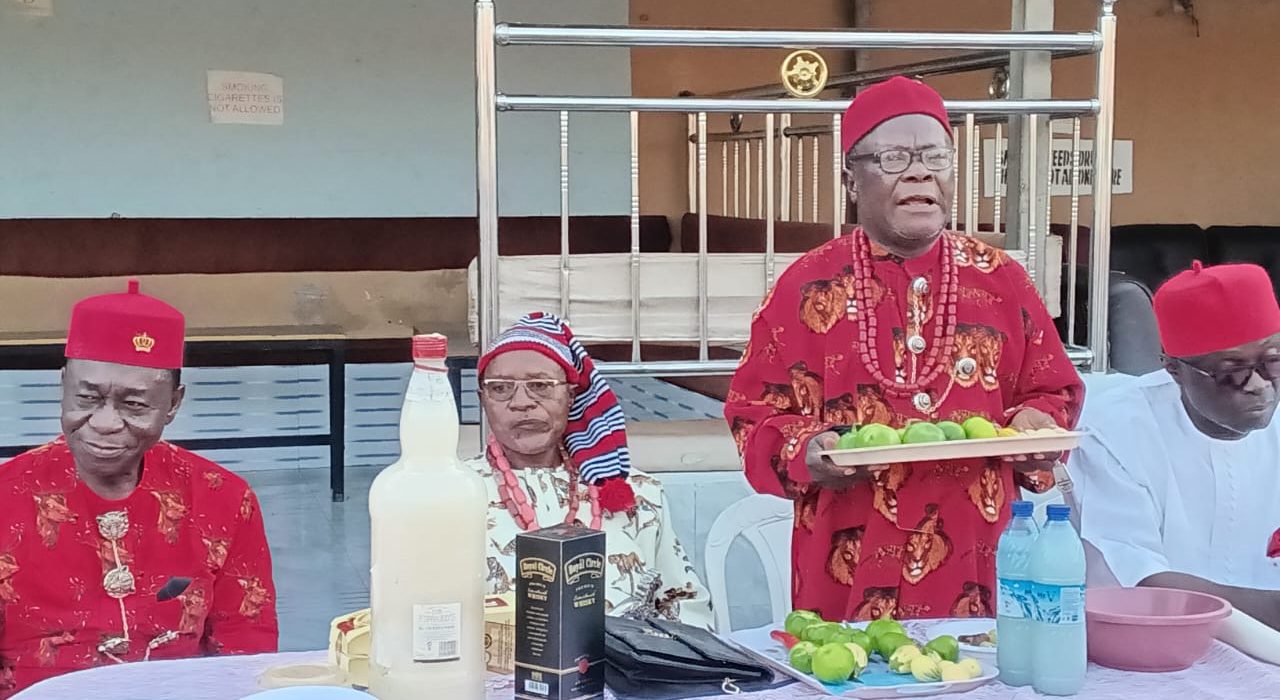
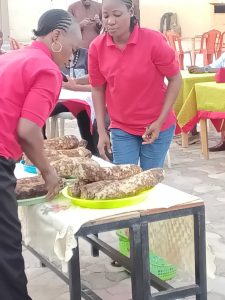
The Igbo Community in Gombe State has organised its annual Yam Festival to mark the beginning of the consumption of newly harvested yams.

Convener of the event and Special Adviser to Governor Muhammadu Inuwa Yahaya on Inter-Community Relations, Dr. Chidebew Chimack Ewuze, said the festival brings together traditional rulers, elders, farmers, families and community members to give thanks for a successful harvest and pray for greater blessings in the coming farming season.
Dr. Ewuze commended the developmental projects executed by Governor Inuwa Yahaya’s administration, particularly in the health and agricultural sectors, noting that they have positively impacted the livelihoods of residents.
He described yam as more than a staple food among the Igbo people, saying it symbolises wealth, prosperity, hard work, fertility and cultural identity.
The Special Adviser also urged residents to embrace farming, describing agriculture as a sustainable means of addressing hunger and creating employment opportunities.
He further called on residents to support President Bola Ahmed Tinubu, Governor Inuwa Yahaya for the Gombe North Senatorial seat, and the APC governorship candidate in Gombe State, Jamilu Isiyaku Gwamna, alongside other party candidates, in the forthcoming general elections.
Speaking at the event, the President General of the Igbo Community Welfare Association, Barrister Harvard Nweye, said the festival provides an opportunity for traditional prayers and thanksgiving, as community leaders and elders offer prayers for continued peace, prosperity and a bountiful harvest.
Barrister Nweye explained that, as part of the tradition, traditional rulers and respected elders may perform the first ceremonial tasting of the new yam before it is shared with the wider community.
He added that the festival honours farmers and underscores the importance of agriculture to the community’s economy, cultural heritage and survival.