By:
Aisha Mohammed
Social taboos, stigma, and limited mobility in rural communities have worsened menstrual hygiene management, as the high cost of sanitary products, lack of water, and poor education continue to limit access, exposing adolescent girls to infections, infertility, increased school absenteeism and dropouts.
In response, the United Nations Children’s Fund, UNICEF, developed a Menstrual Hygiene Management manual to improve the health and productivity of women and adolescent girls in Nigeria.
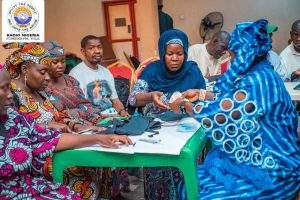
WASH in Institutions and Menstrual Health and Hygiene Consultant with UNICEF, Job Ominyi, said the manual is a pilot document structured to guide facilitators in championing menstrual health and hygiene management in line with the UNICEF ASWA III project.
Ominyi highlighted the health implications of poor menstrual hygiene management, noting that the use of unhygienic materials can lead to long-term risks such as chronic pelvic inflammatory disease, infertility, and severe physical discomfort, contributing to increased female morbidity.
WASH in Institutions Officer, Abuja Office, Asabe Mshelbara, and WASH Officer, Bauchi Field Office, Nanbam Dawap, emphasized the need for early understanding of the human reproductive system through the carefully developed manual in line with the UNICEF ASWA III project.
The WASH Officers expressed confidence that educating community members using the manual will go a long way in addressing stigma and breaking barriers surrounding menstrual health and hygiene management.
Felicity Beso, who spoke on behalf of the facilitators, commended UNICEF, Netherlands Government and the Adamawa State Rural Water Supply and Sanitation Agency, RUWASSA, noting that the initiative will make menstrual health management easier to understand at the grassroots level.
Assistant Mobilization Officer, Shelleng, Abdullahi Mohammed, and Hygiene Promoter, Ganye Local Government Area, Bristol Charity, acknowledged that the training has greatly improved their knowledge.
They pledged to step down the knowledge gained to break generational barriers, stigma and misconceptions surrounding menstrual health and hygiene management, to support women and adolescent girls at the grassroots.
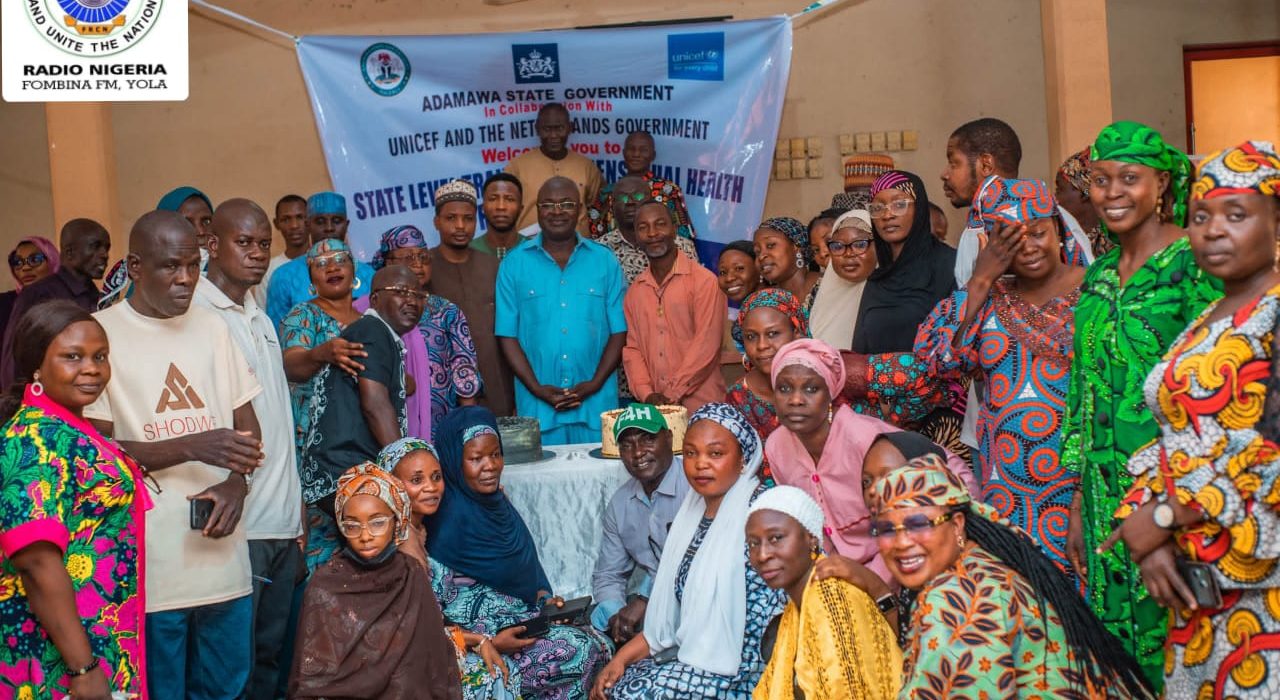
The UNICEF-approved document is a pilot manual used to train over forty WASH officers from Ganye and Shelleng Local Government Areas of Adamawa State.
The state-level training targets seventy-five communities in each Local Government Areas, aimed to improve the productivity of fifty thousand women and adolescent girls for the economic development of the state and the nation at large.