By
Khadijah Aliyu
Nigeria has been urged to carefully review its foreign policy direction, resources, and personnel in line with the provisions of the Constitution of the Federal Republic of Nigeria.
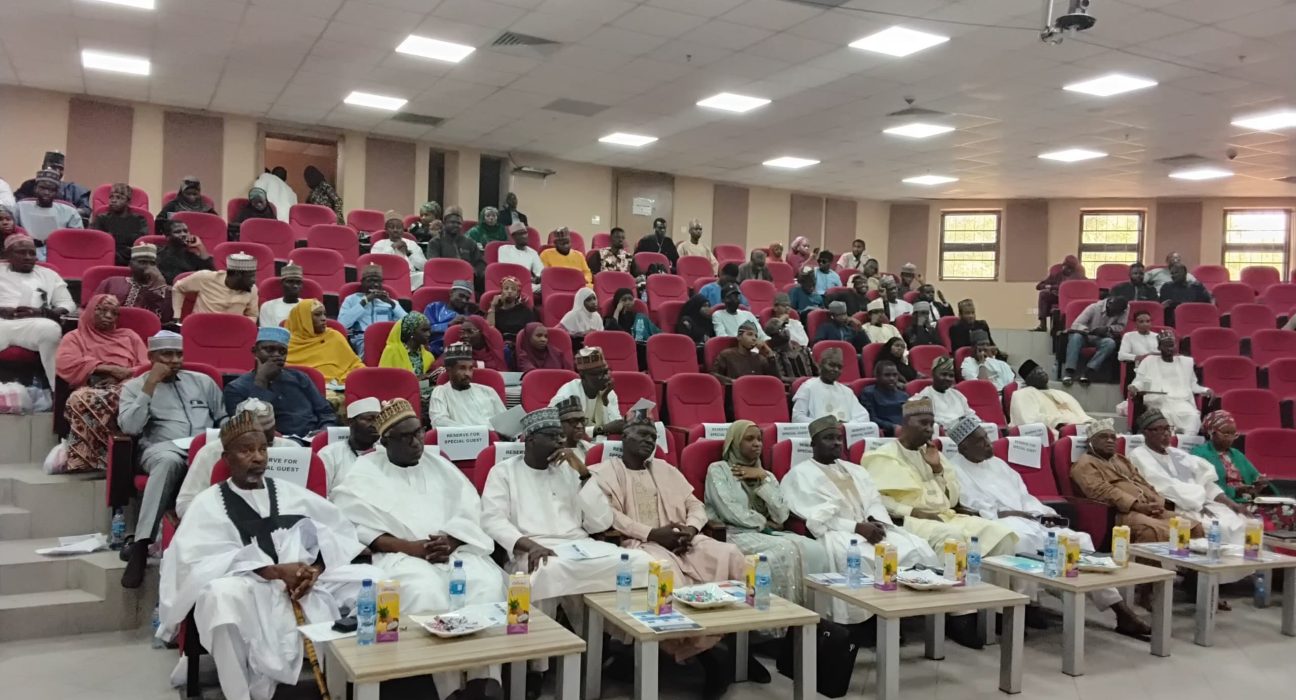
The call was made by Muhammad Bande, the 74th President of the United Nations General Assembly and former Permanent Representative of Nigeria to the UN, during the commemoration of the International Day of Multilateralism and Diplomacy for Peace.
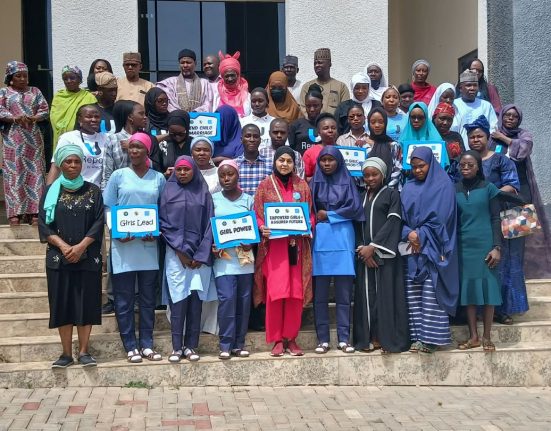
The event was organized by the Centre for Gender Studies CGS in collaboration with the Department of International Law and Jurisprudence at Bayero University Kano.
Professor Bande noted that the global landscape is rapidly evolving, with increasing instability driven by competition among major powers for resources, influence, and dominance.
He cited ongoing tensions in Iran, Gaza, and Ukraine as clear indicators of a shifting international order.
According to him, Nigeria must clearly define its foreign policy principles in response to these global realities, while building on its established strengths in supporting West Africa, the African continent, and the United Nations.
In his opening remarks, the Vice-Chancellor of Bayero University Kano, Prof Haruna Musa represented by the Deputy Vice-Chancellor (Academics), Prof Ahmed Tsauni said the institution continues to play a vital role by providing platforms such as the symposium to deepen understanding of global issues and equip students and researchers with relevant knowledge on peace promotion and multilateral cooperation.
He emphasized that Nigeria’s diplomatic engagements should remain consistent with its historical contributions to regional peacekeeping and multilateral cooperation.
In her presentation titled “The Intersection Between Gender, Peace and Multilateralism: Realities and Aspirations,” the Director of the CGS and former Amb. to Romania, Bulgaria and Slovenia, Safiya Nuhu, highlighted the need to promote global peace and security through inclusive frameworks.
Amb. Nuhu explained that the symposium aimed to address critical questions surrounding the role of emerging economies, particularly from the Global South, and how their global interests intersect with domestic peace and security concerns.
She stressed that adherence to international rules remains essential, noting that such frameworks guide state behavior and ensure accountability when violations occur.
While acknowledging challenges in enforcing these rules within the current global system, she called for innovative strategies to strengthen compliance and promote equity.
According to her, evolving global dynamics present an opportunity to reform existing systems or establish new rules that reflect fairness and inclusivity for all nations.