By
Abubakar Musa Waziri
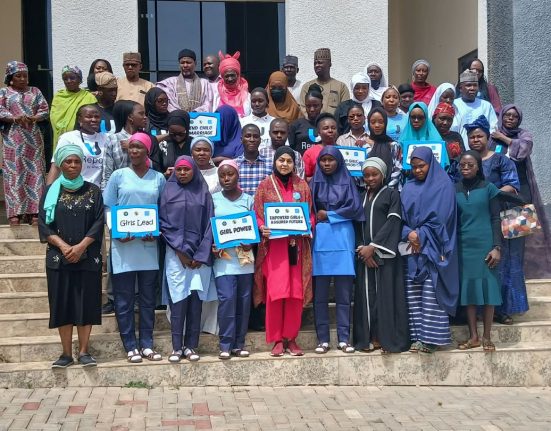
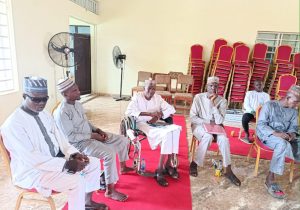
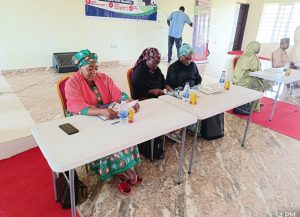
A Non Governmental Organisation Sharing Education and Learning for Life (SELL) Foundation Nigeria has convened a stakeholders’ forum to address the overlooked mental health consequences and discrimination against Persons With Disabilities (PWDs).
Radio Nigeria observed that speakers at the forum condemned policies that enrich the treasury while impoverishing the human spirit.
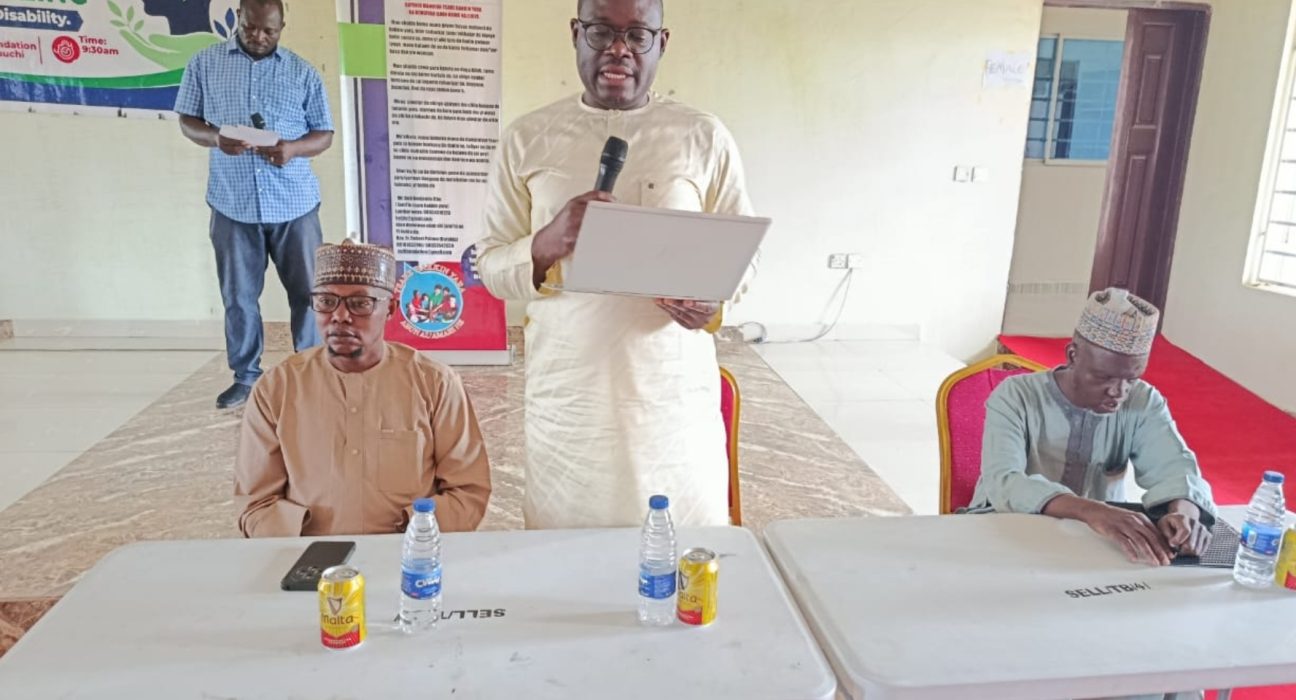
Speaking at the opening ceremony, the Project Manager Mr Benjamin Jibe called for a fundamental shift in how policies are evaluated beyond economic metrics to include psychological and emotional impact, particularly on Nigeria’s most marginalized groups.
“When policies are crafted, they are usually measured in terms of economic growth, fiscal savings, or infrastructural expansion. Yet, who accounts for the psychological and emotional impact of these decisions? Who ensures that the mental health of citizens — especially those already marginalized — is safeguarded?” Benjamin said.
Citing the fuel subsidy removal as a case study in policy blindness Benjamin argued that economically it does not justify a means to free up resources for national development, stressing that the policy exacted a devastating human cost on PWDs as transport costs skyrocketed, healthcare access became more difficult.
According to Benjamin Jibe study shows that the removal of the fuel subsidy has recorded sharp rises in depression and anxiety following the subsidy removal, especially among disadvantaged groups.
“The policy may have been designed to benefit all, but its impact was uneven, and those already disadvantaged bore the heaviest burden. The anxiety, depression, and sense of exclusion that follow are rarely acknowledged in policy debates, yet they are real and profound,”
The Project Coordinator identified multiple layers of discrimination that erode mental health: public infrastructure that remains inaccessible — with missing ramps, broken elevators, and absent signage — serving as daily reminders of exclusion that erode dignity and self-worth.
He said employment practices that discriminate against PWDs denied them economic independence, healthcare systems and lack of policies to provide specialized support to both the vulnerable and the physically and emotionally affected.
” inclusion is not charity but justice — and justice must be holistic, addressing both the material and mental wellbeing of citizens” he stressed.
“If a policy enriches the treasury but impoverishes the spirit of the people, then it has failed in its purpose,”
The forum featured keynote addresses from government and Persons With Special Needs representatives who advocate the wellbeing of Persons With Disabilities, addressing the Psychological Effects of Discrimination as well as interactive discussions to identify gaps and propose collaborative strategies.