By
Jamilu Abubakar
The Gombe State Government, in collaboration with the United Nations Children’s Fund (UNICEF), has officially flagged off the implementation of the Climate Resilient Infrastructure for Basic Services in Health and Education (CRIBS) Project across five local government areas of the state.
The project, which is expected to run until December 2026, is a collaborative intervention involving UNICEF, the Gombe State Ministry of Health, the State Primary Health Care Development Agency, the State Universal Basic Education Board (SUBEB), and RUWASSA.
The initiative focuses on delivering integrated climate-resilient infrastructure in schools and primary healthcare facilities in Billiri, Dukku, Funakaye, Kwami, and Yamaltu-Deba local government areas.
The CRIBS Project is designed to improve schools and primary healthcare centres to withstand climate-related challenges while strengthening service delivery in the health and education sectors.
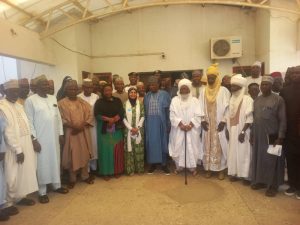
Speaking during the flag-off ceremony, the Deputy Governor of Gombe State, Manassah Daniel Jatau, commended UNICEF for its continued support to the state, describing the partnership as beneficial and impactful.
Dr Jatau described the CRIBS project as timely, considering the growing challenges posed by climate change, noting that the initiative aligns with adaptation efforts aimed at helping communities cope with changing climatic conditions for sustainable development.
He expressed satisfaction with the project and reiterated the state government’s commitment to partnerships that would improve the living conditions of the people.
In her remarks, the Chief of Field Office, UNICEF Bauchi, Dr Nuzhat Rafique, congratulated Gombe State for being selected among the benefiting states, attributing the selection to the government’s commitment to improving children’s health and education.
Dr Rafique noted that climate change was already affecting communities through excessive heatwaves, flooding, rainstorms, and sandstorms, stressing that UNICEF remained committed to supporting initiatives that promote the wellbeing of children.
She commended Governor Muhammadu Inuwa Yahaya and his deputy for their commitment to child development in the state.
According to her, the CRIBS project would be implemented in fourteen health facilities and nine selected schools across the benefiting local government areas.
She urged contractors to strictly adhere to project specifications to ensure durability and sustainability of the facilities.
Also speaking, UNICEF Education Specialist, Abdulrahman Ado, presented an overview of the CRIBS project, highlighting the criteria for selecting beneficiary schools and health facilities, as well as the implementation timeline to December 2026.
The highlight of the event was the signing and handover of implementation documents to contractors.
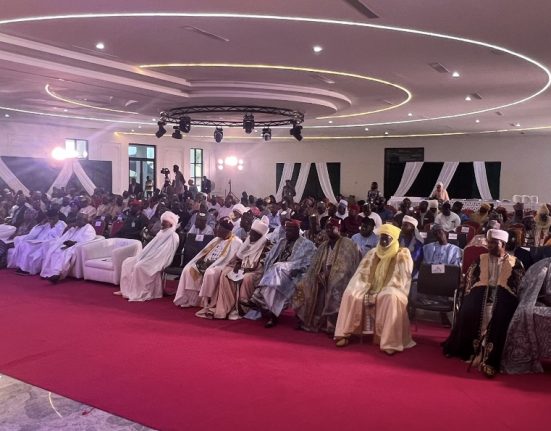
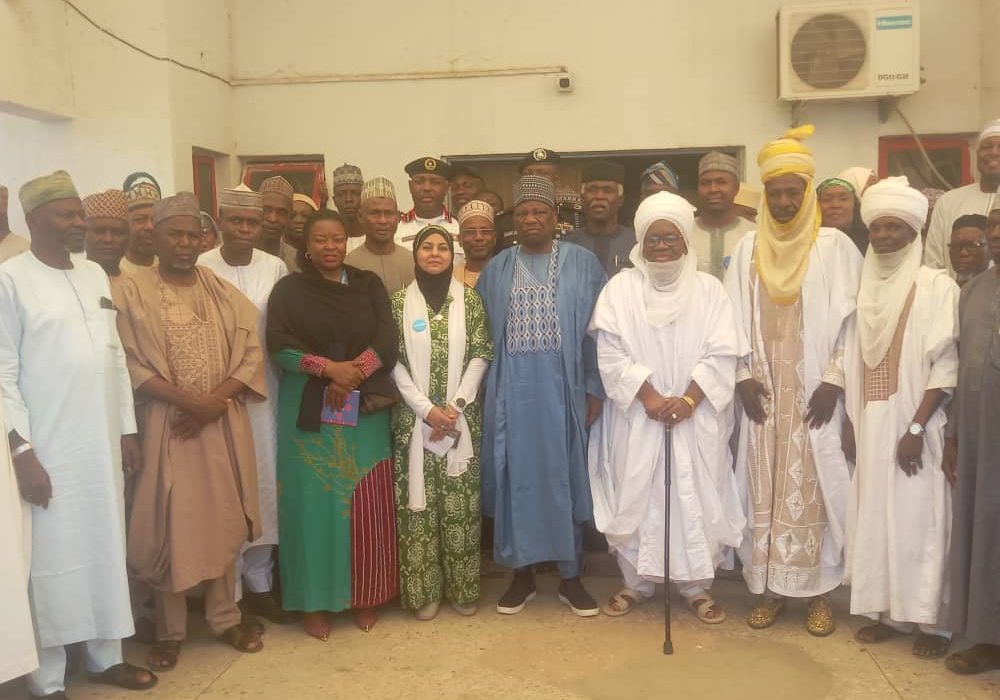
Participants at the ceremony included permanent secretaries, heads of ministries, departments and agencies, security personnel, traditional rulers, and representatives of civil society organisations.