By
Sandra Chukwugekwu
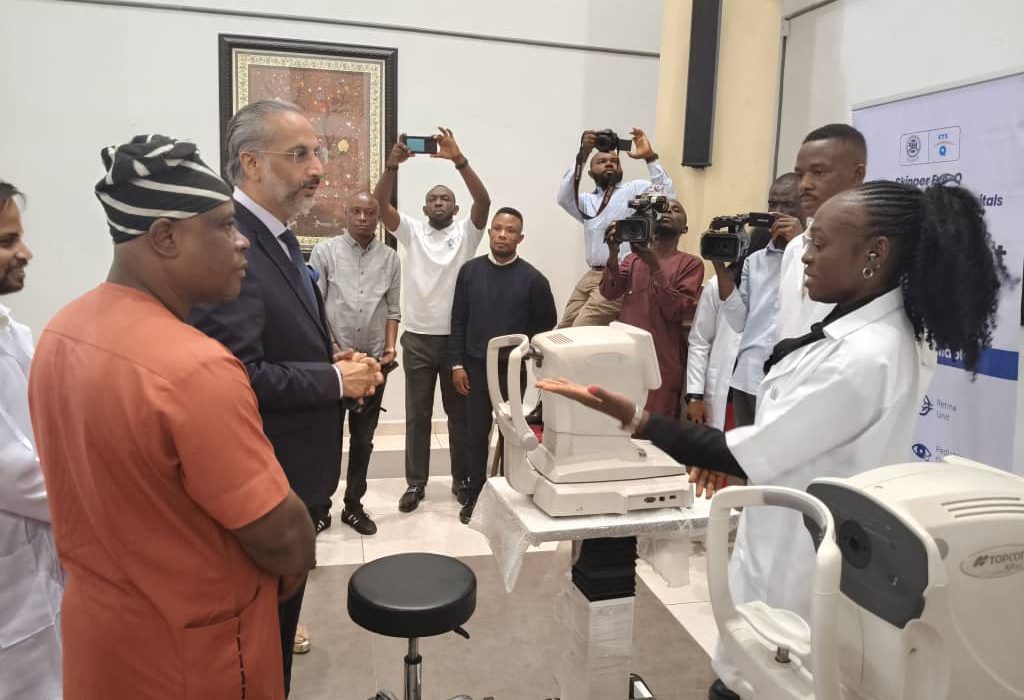
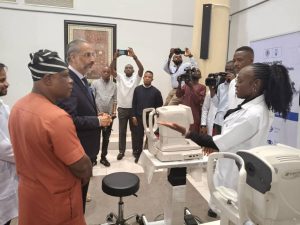
The High Commission of India in Nigeria has organised a free eye screening programme for journalists and media professionals in Abuja, describing the initiative as part of efforts to strengthen engagement with the media and support journalists’ health.
The outreach was held in collaboration with a private hospital, Skipper Eye-Q Eye Hospital and followed a request from the Diplomatic Correspondents’ Association of Nigeria.
Journalists depend heavily on reading, screen use, travel and field reporting. Early eye screening can reduce missed work, errors and health-related interruptions.
Compared with large public campaigns, a focused screening for a professional group can deliver measurable benefits at relatively low cost, especially when delivered through a medical partner.
For the High Commission, the programme also functions as a soft-power and stakeholder-engagement initiative, potentially improving access to informed media dialogue on bilateral issues.
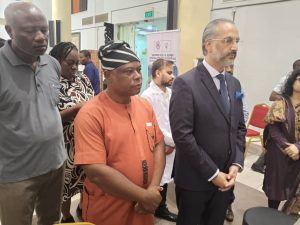
Speaking at the event, India’s High Commissioner to Nigeria, Abhishek Singh, said the media remained a crucial pillar of democracy.
“As the Chief Representative of the world’s largest democracy, India, in Africa’s largest democracy, Nigeria, I emphasise that the media is indeed the fourth wheel of democracy,” he said.
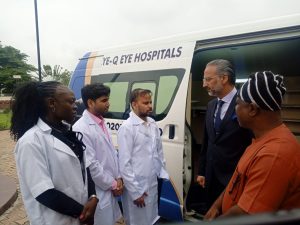
He added that regular interaction with journalists was an important element of India’s diplomacy in Nigeria.
“This free eye camp will provide journalists with an opportunity to undergo eye examinations and receive professional medical advice. Healthy eyesight is vital for all individuals, especially for media personnel, who serve as the eyes and ears of our society,” Mr Singh said.
The High Commissioner also pledged continued cooperation with the Diplomatic Correspondents’ Association.
“The High Commission of India and the High Commissioner stand ready to provide whatever assistance is required to the best of our abilities,” he said.
The programme attracted journalists, media executives, and officials of the Indian mission in Abuja. Participants received eye examinations and consultations from medical professionals at the camp.
While no budget figures were disclosed, the initiative appears to follow a partnership model that can keep public expenditure relatively low by leveraging private healthcare expertise. The main risks for similar programmes are continuity, follow-up care for participants who need treatment, and ensuring that screening leads to measurable health outcomes rather than a one-off event.
For media organisations, the practical question is whether preventive health programmes can reduce absenteeism and improve productivity enough to justify ongoing support. In many professional settings, the threshold for continuation is usually evidence of consistent participation and reduced health-related disruptions.
Sandra Chukwugekw